Seasonal storage in Birmingham and Stoke-on-Trent means renting a secure, ground floor unit to hold items you only need for part of the year, such as Christmas decorations, garden furniture, or stock for a market stall, then collecting them again when the season turns. It costs less than a full-time unit if you book a size that matches what you actually own, and it frees up a loft, garage or spare room for the other eleven months.
What Is Seasonal Storage? A Definition for Birmingham and Stoke-on-Trent Households and Traders
Seasonal storage is any self storage arrangement built around a predictable cycle rather than a permanent need. A household books a unit in October, fills it with the artificial tree, lights and boxed decorations, then empties it again in January. A market trader books a unit for the run up to a bank holiday fair, stores gazebos and stock, then swaps the contents for the next event. A gardener or landscaper stores patio furniture, parasols and cushions over winter and collects them again in spring.
The defining feature of seasonal storage is that the customer knows in advance roughly when the unit will be full and roughly when it will be empty. That predictability is what makes it different from long term storage, and it is also what makes it cheap to plan around. In Birmingham and Stoke-on-Trent, most seasonal storage bookings fall into one of three patterns: a short block over the Christmas period, a longer six to nine month block covering spring through autumn for garden equipment, or a rolling monthly booking for traders who restock several times a year.
Who Actually Needs Seasonal Storage in Birmingham and Stoke-on-Trent?
Four groups make up almost all seasonal storage demand in this area. Households in terraced and semi-detached properties across Small Heath, Sparkbrook, Hay Mills and the wider Birmingham suburbs often have a loft hatch too small for a six foot artificial tree, or no loft ladder fitted at all, which makes seasonal storage the only realistic option for bulky festive items.
Homeowners with gardens in Solihull, Sutton Coldfield, Moseley and across Stoke-on-Trent’s suburbs typically own a set of garden furniture, a parasol base, possibly a hot tub cover or greenhouse panels, and none of it belongs in a shed built for tools. A four seat rattan set alone can take up more than a cubic metre.
Market traders working the Bullring, Birmingham’s Christmas markets, the Potteries Shopping Centre in Hanley or seasonal fairs across Staffordshire need somewhere to keep gazebos, display stands and stock between events, particularly if their own premises are too small or too far from the trading site.
Retailers using business storage, including online sellers, who see a sharp seasonal spike, most obviously in the run up to Christmas, need short term extra capacity for stock that will not fit their normal storeroom for eight or ten weeks a year. Renting a bigger unit permanently for a peak that lasts two months is expensive; renting seasonal capacity for exactly that window is not.
What Can You Put Into Seasonal Storage in Birmingham and Stoke-on-Trent?
Almost anything that is boxed, bagged or reasonably protected can go into seasonal storage. The most common items booked into seasonal units in Birmingham and Stoke-on-Trent break down into three groups.
Festive and holiday items: artificial Christmas trees, boxed baubles and lights, inflatable decorations, an artificial wreath collection, seasonal tableware, and gift wrap stock for retailers. Garden and patio items: rattan and metal patio furniture, parasols and bases, barbecues, garden games, cushions and covers, greenhouse glazing removed for winter, and children’s garden play equipment. Trading and retail stock: gazebos and stall frames, folding tables, point of sale display units, boxed seasonal stock such as Christmas cards, decorations for resale, and packaging materials bought in bulk ahead of a peak.
Items that are not suitable for any self storage unit, seasonal or otherwise, include anything perishable, live plants that need daylight and water, and anything flammable in large quantities such as bottled gas or large volumes of paint thinner. A tin of leftover paint or a couple of gas canisters for a barbecue should stay at home rather than in a storage unit, in line with general fire safety guidance on storing flammable materials safely.
How Much Does Seasonal Storage Cost in Birmingham and Stoke-on-Trent?
Seasonal storage costs are driven by two things: unit size and length of booking. A 5ft unit, roughly the footprint of a large wardrobe, is enough for a household’s Christmas decorations plus a folded parasol and cushions, and is the cheapest size available. A 10ft unit comfortably holds a full set of garden furniture, several boxes of decorations and a couple of bikes, and is the size most market traders choose for a gazebo, stall frame and boxed stock together. A 20ft unit suits a retailer storing pallet quantities of seasonal stock, or a household clearing an entire garage of garden and patio items during a house move that overlaps with winter.
Because seasonal bookings are shorter than the typical year round rental, the arithmetic works differently. A household storing Christmas decorations for three months in a 5ft unit pays for three months, not twelve, so the annual cost of seasonal storage for festive items is usually a fraction of what a full year’s rental of the same size would come to. A market trader booking a 10ft unit for the eight weeks either side of the Christmas trading season pays for roughly two months rather than a full year, which is the entire point of treating storage as seasonal rather than permanent.
Promotional pricing changes regularly and current offers, such as reduced rates for the first two or three months on selected 10ft and 20ft units for new customers, should always be confirmed directly with the Birmingham or Stoke-on-Trent branch before booking, since seasonal storage bookings are exactly the kind of short term rental these offers are designed for.
Seasonal Storage Unit Sizes: Which Size Suits Your Seasonal Storage Needs?
| Situation | Recommended size | Why | Wrong for |
|---|---|---|---|
| Christmas decorations only, artificial tree under 6ft | 5ft | Fits a tree box, four to six decoration boxes and lights with room to spare | Anyone also storing garden furniture in the same period |
| Christmas decorations plus a parasol, cushions and a barbecue cover | 5ft to 10ft | Depends on tree size. A taller tree box may need the extra depth of a 10ft unit | Households with a full four to six seat garden set |
| Full garden furniture set, table, four to six chairs, parasol and cushions | 10ft | Ground floor drive up access makes bulky furniture easier to load and unload | Anyone also storing vehicles or large equipment in the same unit |
| Market trader with a gazebo, stall frame and one to two boxes of stock | 10ft | Provides practical space for frames, tables and boxed stock | Traders with pallet stock or multiple gazebos |
| Retailer with pallet quantities of seasonal stock | 20ft | Forklift assistance and lorry access make larger deliveries easier to handle | Small household bookings where a 20ft unit would leave substantial unused space |
| Landscaper or gardener storing multiple clients’ furniture and equipment | 20ft to 40ft | Larger units suit commercial volumes, with forklift and lorry access available | Anyone storing a single household garden set |
Seasonal Storage for Christmas Decorations and Festive Stock
Christmas decorations are the single most common reason households in Birmingham and Stoke-on-Trent book seasonal storage. The typical pattern is a booking made in October or early November, a collection visit in early December to bring decorations home, and a return visit in January to put everything back into storage until the following year.
A 5ft unit is usually enough for a household’s full festive collection: an artificial tree in its box, four to eight boxes of baubles and lights, an artificial wreath, and seasonal soft furnishings such as cushion covers or a table runner. Ground floor, drive up access matters here more than almost anywhere else in seasonal storage, because decoration boxes are awkward rather than heavy, and nobody wants to carry a six foot tree box up a flight of stairs or through a lift twice a year.
For retailers and market traders, festive stock storage looks different. A gift shop or online seller might need a 10ft or 20ft unit from September through December to hold Christmas cards, decorations bought wholesale for resale, and gift wrap, then downsize or vacate the unit entirely once the January sales period ends. According to Office for National Statistics retail sales data, December retail sales volumes are consistently higher than any other month of the year in Great Britain, which is exactly the kind of predictable spike that makes short term seasonal storage more cost effective than renting extra retail or warehouse space year round.
Seasonal Storage for Garden Furniture and Patio Equipment
For household items used only part of the year, our personal storage options provide flexible space for furniture, decorations and other belongings that would otherwise fill a garage, loft or spare room.
Garden furniture is bulky, awkward to stack, and expensive enough that leaving it outside all winter under a cheap cover usually costs more in replacement furniture than a few months of storage would have cost. A typical rattan or metal patio set, table, four to six chairs, a parasol and its base, takes up somewhere between one and two cubic metres once cushions and covers are added.
Households across Birmingham and Stoke-on-Trent typically book furniture storage for garden furniture from late September or October through to March or April, covering the months when the furniture would otherwise sit unused and exposed. A 10ft unit is the size most households choose, since it comfortably holds a full furniture set alongside a barbecue, garden games and a few boxes of cushions, with enough floor space left to walk in and reach items at the back without unpacking the whole unit.
Parasol bases deserve a specific mention because they are heavy, often over 20kg when filled with sand or concrete, and awkward to lift alone. Ground floor units with drive up access mean a parasol base can be wheeled or slid straight from a car boot into the unit without carrying it up steps, which matters far more for this single item than for almost anything else on a typical garden storage list.
Seasonal Storage for Market Traders and Seasonal Stock in Birmingham and Stoke-on-Trent
Storage for market traders in Birmingham and Stoke-on-Trent runs on a calendar of events: the Bullring’s seasonal markets, Birmingham’s Christmas market, the Frankfurt style stalls that appear in the city centre each winter, and a steady programme of fairs and markets across Staffordshire. Traders working this circuit need somewhere between events to keep a gazebo, stall frame, folding tables and boxed stock, particularly if home storage is not an option or the trader lives some distance from the trading sites.
Anyone trading regularly on the street or at markets in England and Wales also needs to hold a street trading licence, issued by the relevant local authority, and the terms of that licence sometimes specify how stock and equipment must be stored between trading days. It is worth checking the licence conditions and the storage requirements together before committing to a unit size, since some licences require equipment to be kept in a way that prevents it becoming a public nuisance or hazard when not in use.
A 10ft unit is the standard choice for a single stall trader, holding a gazebo frame stored upright against a wall, a folding table or two, and several boxes of stock with room to add more stock ahead of a peak trading period. Traders running multiple stalls or storing pallet quantities of stock typically move up to a 20ft unit, where forklift assistance and lorry access make loading and unloading stock far faster than manual handling through a smaller unit. Landscapers or seasonal businesses that also need space for commercial vehicles, plant or machinery can review our vehicle storage options.
Is Seasonal Storage Worth It Compared to Storing at Home?
For most households, the honest answer is that seasonal storage is worth it once home storage space runs out, and not worth it while it hasn’t. A loft with a proper ladder and boarded floor can comfortably hold Christmas decorations for most households, and there is no reason to pay for storage if that space exists and is easy to access.
Seasonal storage earns its cost in three specific situations. First, when the items are too bulky or awkward for the space available, such as a six foot artificial tree that will not fit through a loft hatch, or a garden furniture set too large for a shed. Second, when the alternative is leaving items exposed to weather or theft, such as garden furniture left outside under a tarpaulin, which degrades faster than furniture kept dry and secure and is also an easy target for opportunist theft from a garden. Third, when a business has a genuine seasonal spike in stock volume that would otherwise mean renting a bigger unit or a bigger shop all year round to cover eight or ten weeks of extra demand.
Where seasonal storage is not worth it: if the items in question are cheap to replace and rarely used, if there is genuinely spare, dry, secure space at home already, or if the booking would run close to twelve months anyway, in which case a standard year round rental at the corresponding size is simpler to manage and often works out similarly priced once seasonal booking fees and moving costs are factored in.
Students have a different seasonal pattern. If belongings need storing between accommodation, during university holidays or while travelling, our student storage service is the more relevant option.
Who Seasonal Storage in Birmingham and Stoke-on-Trent Isn’t For
Seasonal storage is not the right fit for everyone, and it is worth saying so plainly rather than pretending every household needs it. Anyone with a genuinely spare, dry loft or garage, and only a modest volume of festive or garden items, is usually better off keeping them at home; paying for a unit to store two or three boxes of decorations rarely makes financial sense once the cost of the trip to load and collect them is factored in.
It also is not a good fit for anyone who needs daily or near daily access to the stored items, since seasonal storage is built around infrequent collection, not regular visits. A trader who needs to restock from their unit multiple times a week during a busy trading period may be better served by a standard ongoing unit rather than a strictly seasonal booking, simply because the admin of repeatedly renewing a short booking outweighs the saving.
Finally, seasonal storage is the wrong choice for anything perishable, for live plants that need daylight and regular watering, or for anything that legally cannot be stored in a shared self storage facility, such as gas canisters or bulk quantities of flammable liquid. Standard household items, festive decorations, furniture, boxed stock and trading equipment, are exactly what these units are designed for, and the small minority of genuinely unsuitable items are better kept at home or disposed of responsibly rather than squeezed into a booking they were never meant for.
Seasonal Storage vs Loft Storage vs Garage Storage vs Renting a Bigger Unit Year Round
Loft storage costs nothing beyond the ladder and boarding already installed, but is limited by hatch size, floor loading and how physically awkward it is to move bulky items up and down, especially alone. It suits small, light, infrequently needed items and struggles with anything the size of a full garden furniture set or a tall artificial tree.
Garage storage is free if the garage exists and isn’t already full of a car, tools or a workshop, but most household garages in Birmingham and Stoke-on-Trent are used for exactly those things, leaving little room for seasonal overflow. It also offers far less security than a manned, gated storage site, which matters for anything with resale value.
Renting a bigger unit year round guarantees the space is always available and avoids the admin of seasonal renewal, but means paying twelve months of rent for items used for three or four. It only makes sense where the same unit is also being used for something else the rest of the year, such as combining seasonal garden furniture storage with other ongoing personal storage needs in the same space.
Seasonal storage, booked for the months actually needed, sits between these options: it costs more than a genuinely free loft or garage, but far less than year round rental, and it offers proper security, drive up access and flexible sizing that home storage simply cannot match for bulky or valuable items.
Mistakes People Make With Seasonal Storage
The most common mistake is booking a unit too small because the customer only mentally counts the boxes, not the awkward shaped items, gazebo frames, parasol bases and furniture that take up far more space than boxed items of similar weight. It is worth measuring the largest single item, usually a parasol base or a folded gazebo frame, before choosing a size.
The second mistake is packing items loosely rather than protecting them, particularly garden furniture cushions, which can pick up dust or snag on other items if left unwrapped. Cushions and soft furnishings should go into bin bags or storage bags before boxing, even inside a secure unit, simply to keep them clean between seasons.
The third mistake is leaving the booking to renew automatically past the point it is needed, which quietly turns a cost effective three month seasonal booking into an expensive year round one. Setting a reminder to review the booking at the point items are due to be collected avoids paying for months of storage nobody needed.
The fourth mistake, common among market traders, is underestimating how much stock volume changes between quiet and peak trading periods, and booking a fixed size that suits neither end of that range. It is usually cheaper to book a slightly larger unit for the peak period and downsize afterwards than to book the average size and run out of room during the busiest trading weeks of the year.
How to Protect Items in Seasonal Storage in Birmingham and Stoke-on-Trent
Even in a secure, gated unit, a little preparation makes a real difference to the condition items are in when they come back out months later. Garden furniture cushions and soft coverings should be fully dry before boxing, since packing anything damp into a sealed bag or box is what actually causes mould, not the storage unit itself. Metal furniture frames benefit from a wipe down before storage, particularly if they have been standing on grass or paving where moisture collects at the base.
Christmas decorations store best in their original boxes where possible, since these are usually shaped to stop baubles and lights tangling or cracking. Fragile decorations should go in the middle of a stack of boxes, never on top where they can be crushed by heavier items added later in the season.
Gazebo frames and stall equipment should be folded exactly as the manufacturer intends and stored upright against a wall rather than flat on the floor, both to save space and to avoid bending frame joints under the weight of other stock stacked on top. Boxed retail stock should be labelled clearly on the outside, since a trader working from a unit during a busy trading period does not have time to open every box looking for one item. Households working out which box size or footprint they actually need can check the room by room sizing guide before booking, since the same logic used for a full house move applies equally well to a smaller seasonal load.
24 hour CCTV monitoring, manned security and gated access all reduce the risk of theft, which matters more for seasonal storage than people often assume, since garden furniture and gazebo frames are exactly the kind of resaleable items opportunist thieves target from unsecured gardens and sheds.
Seasonal Storage Myths in Birmingham and Stoke-on-Trent
The first myth is that seasonal storage always costs the same as booking a unit for a full year. It does not; seasonal bookings are typically paid for the months actually used, which is the entire commercial logic behind treating storage as seasonal in the first place.
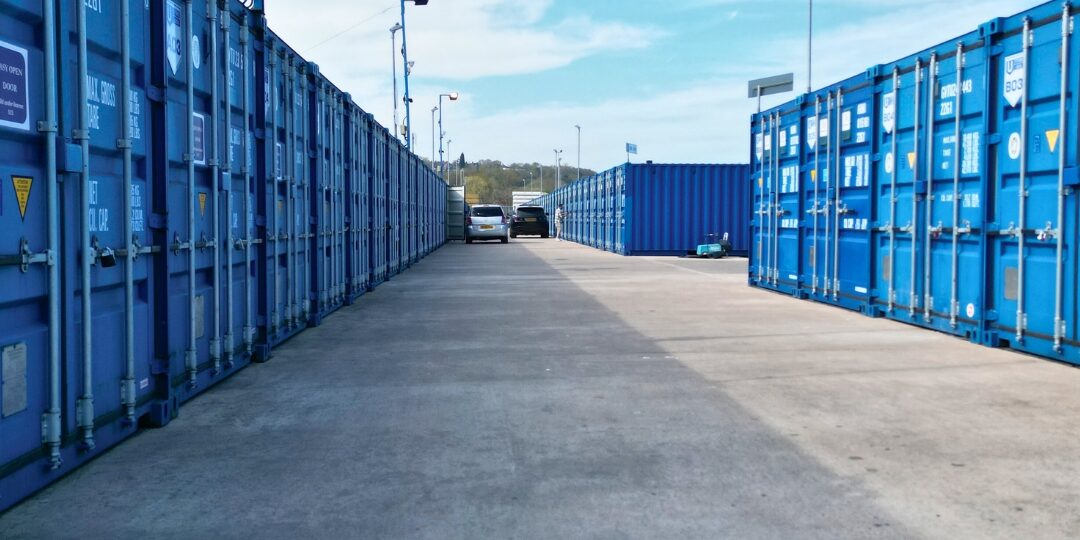
The second myth is that self storage units are automatically unsafe for valuable seasonal items. Security varies between providers. At U Store U Lock, both sites have 24 hour manned security, 24 hour CCTV and secure gated premises, giving households and traders several layers of protection that a garden shed or unlocked garage does not provide.
The third myth is that seasonal storage is only for households with Christmas decorations. In practice, seasonal demand covers festive items, garden and patio equipment, and trading stock in roughly equal measure across a typical year, and the underlying logic, paying for space only when it’s needed, applies just as well to a market trader’s stock as it does to a box of tinsel.
The fourth myth is that a smaller unit is always cheaper overall. A unit that is genuinely too small forces awkward packing, makes access difficult, and often leads to a second, unplanned booking to cover the overflow, which usually costs more in total than booking the right size from the start.
Is Seasonal Storage Worth It? Our Verdict
Seasonal storage is worth it whenever the alternative is either paying for space you don’t need for nine months of the year, or leaving valuable items exposed to weather and theft for months at a time. For most households, that means Christmas decorations too bulky for the loft and garden furniture too good to leave outside over winter. For traders, it means paying for stock and equipment space that scales with the trading calendar rather than a flat monthly cost regardless of season.
Where we would steer someone away from seasonal storage is if their actual volume is genuinely small enough for existing home storage, or if their booking pattern is so close to year round that a standard rental would simply be less admin. The right call comes down to being honest about how much space is really needed and for how long, which is exactly what the size and cost sections above are designed to help work out before booking. Anyone ready to compare sizes and current pricing for the Birmingham or Stoke-on-Trent branch can get a quote before committing to a booking length.
Seasonal Storage FAQ
Q: How far in advance should I book seasonal storage for Christmas decorations?
A: Booking two to three weeks before you need to move items in gives enough time to choose the right unit size and arrange a convenient collection date, though sites can often accommodate shorter notice outside their busiest periods.
Q: Can I access my seasonal storage unit whenever I want?
A: Yes. At U Store U Lock, both Birmingham and Stoke-on-Trent branches offer 24 hour access, with ground floor drive up units making it straightforward to load or collect seasonal items.
Q: Is seasonal storage cheaper than storing garden furniture at a garden centre or specialist facility?
A: Self storage seasonal pricing is generally more straightforward and competitive than specialist facilities, since you are paying for secure space and choosing your own unit size rather than a bundled service.
Q: Do I need insurance for items in seasonal storage?
A: It is worth checking what cover, if any, is included with your booking and whether your home contents insurance extends to items in storage, since this varies between insurers and policies.
Q: Can businesses use seasonal storage, or is it only for households?
A: Both. Market traders, online sellers and retailers with a seasonal stock spike can use business storage, alongside households storing festive and garden items.
Q: What happens if I need my seasonal storage unit for longer than planned?
A: Seasonal bookings can usually be extended in line with availability, so if a booking runs longer than first planned it is simply a case of continuing the rental rather than losing the unit.
Q: Will my garden furniture be damaged by damp in a storage unit?
A: Units are secure and weatherproof, and furniture packed dry with cushions properly bagged should come out in the same condition it went in, since the main cause of damp damage is packing wet items, not the unit itself.
Q: Is a 5ft unit really big enough for a full set of Christmas decorations?
A: For most households, yes. A 5ft unit comfortably holds a boxed artificial tree under six feet tall along with six to eight boxes of decorations and lights, which covers the typical household collection with room to spare.
For more information on our storage, get in touch with our helpful staff on:
☎️Birmingham Branch: 0121 312 3907
☎️Stoke-on-Trent Branch: 01782 906 565
🌐www.ustoreulock.co.uk